Education
How to Build a Handmade Soap Business from Home: A Complete Guide
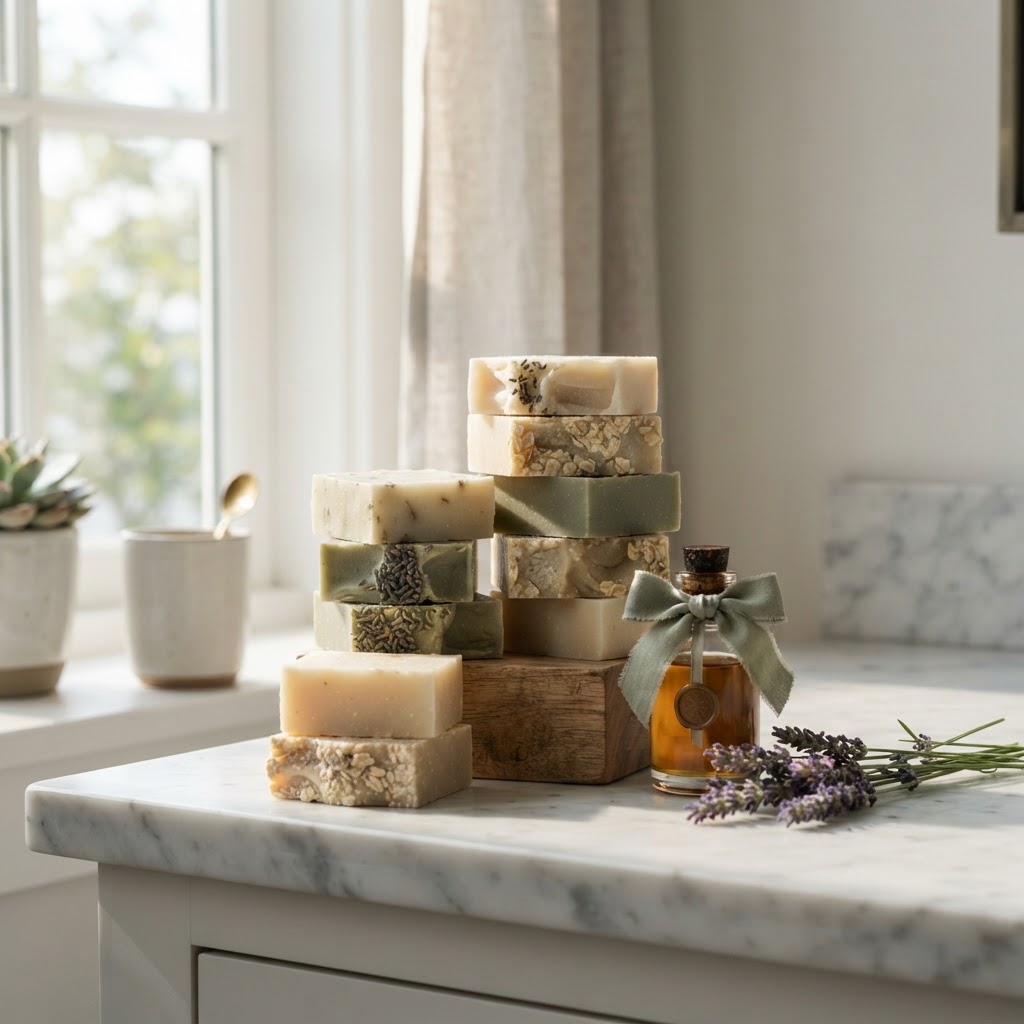
Turn your passion for natural beauty into a thriving home business. Learn how to craft, brand, and sell handmade soap with our comprehensive guide.
From Hobbyist to Entrepreneur: The Allure of Handmade Soap
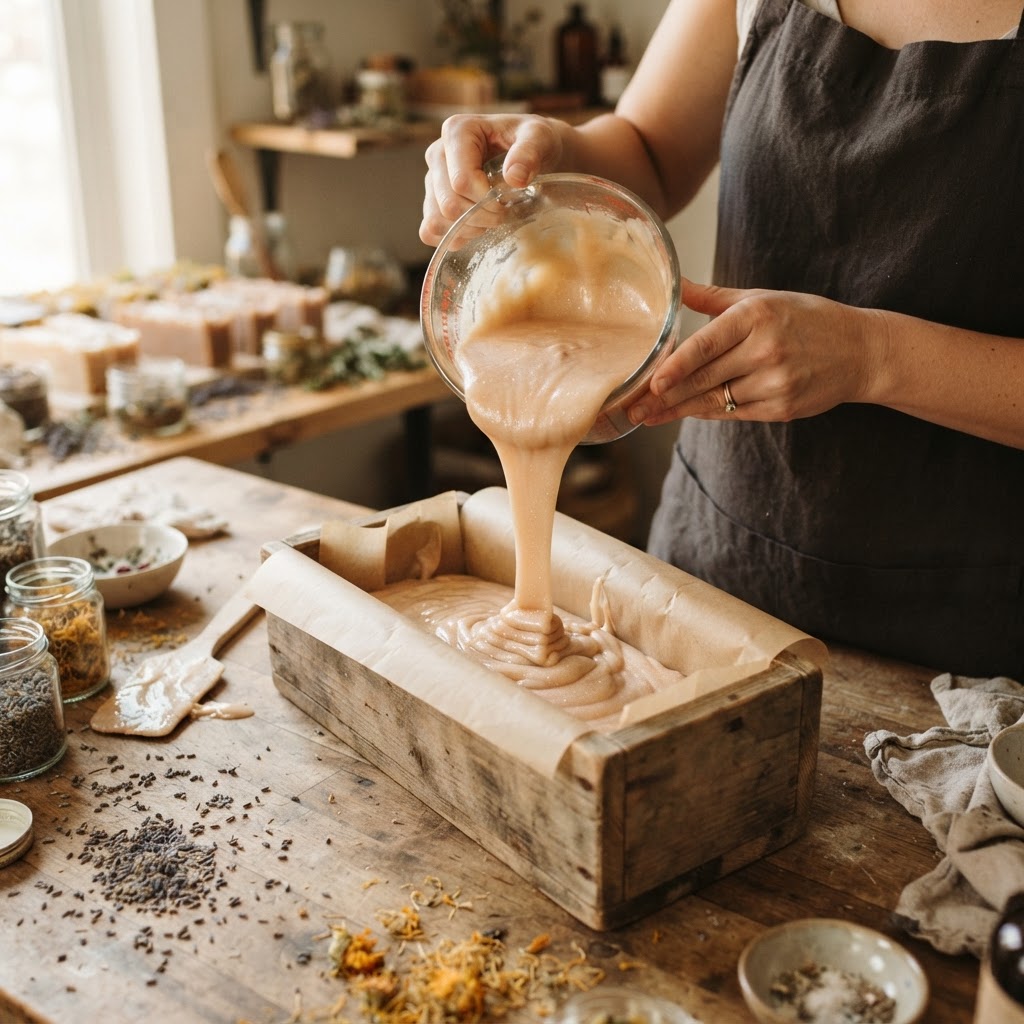
There is something deeply meditative about the process of making soap. The way the oils shimmer as they melt, the transformative moment of saponification, and the intoxicating aroma of essential oils filling your kitchen—it is a craft that engages every sense. But beyond the creative joy, there is a massive opportunity. The global market for bar soaps is projected to reach over $44 billion by 2030, driven by a growing consumer desire for natural, eco-friendly, and artisanal products.
If you have ever dreamt of turning your kitchen counter into a laboratory of luxury, you are in the right place. Building a handmade soap business from home is more than just a way to make extra income; it is a way to share your vision of wellness and self-care with the world. Whether you want to create a small side hustle or a full-scale luxury brand like Eternally Adams Eve, this guide will walk you through every step of the journey.
Step 1: Master the Science and Art of Soap Making
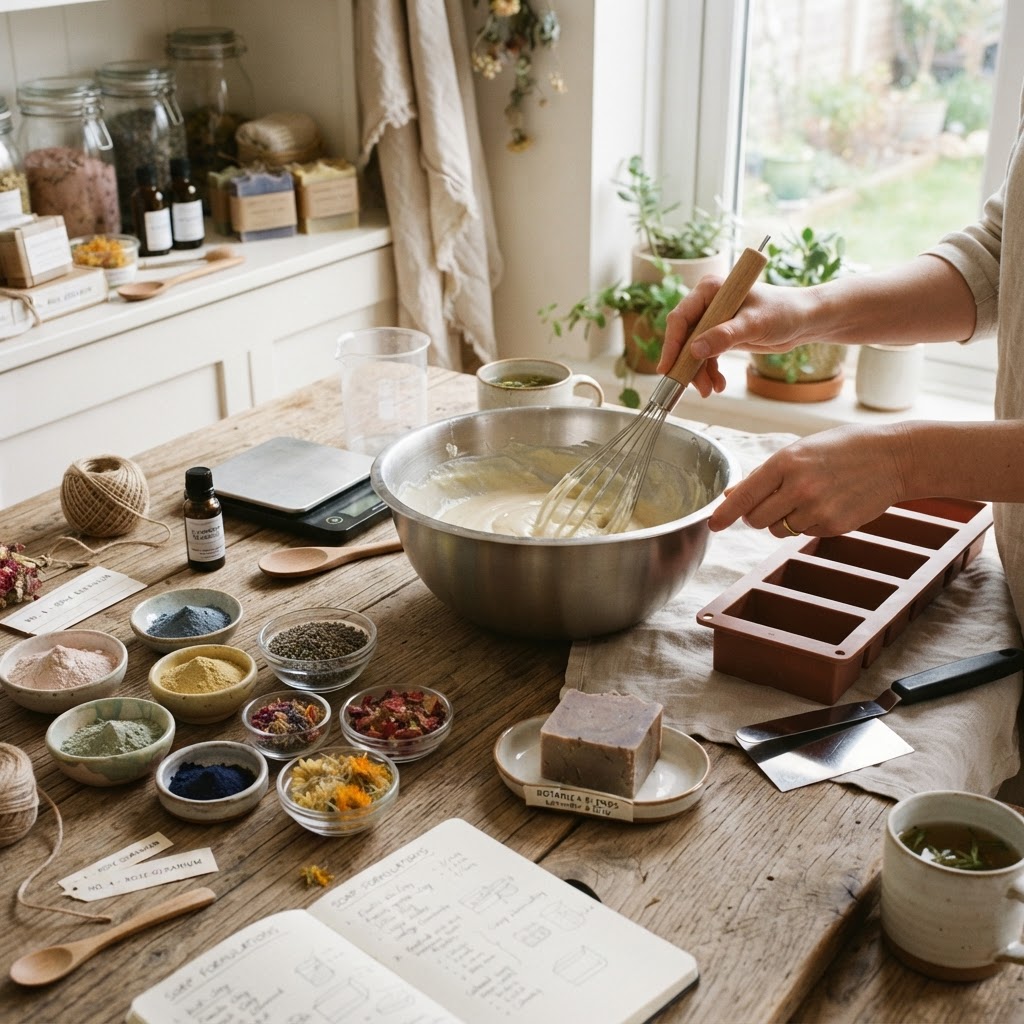
Before you can sell a single bar, you must become a master of your craft. Soap making is a delicate balance of chemistry and creativity. There are two primary methods most home-based entrepreneurs use:
Melt and Pour
This is the most beginner-friendly method. You purchase a pre-made soap base (like glycerin, goat’s milk, or shea butter), melt it down, add your fragrances and colors, and pour it into molds. It is safe, quick, and requires minimal equipment. However, because you aren't controlling the base ingredients, it can be harder to market these as "truly custom" luxury bars.
Cold Process (CP) Soap
This is the gold standard for artisanal soap makers. In this method, you mix fixed oils (like olive, coconut, and avocado) with a lye (sodium hydroxide) solution. This triggers saponification—the chemical reaction that turns oil and lye into soap. Cold process allows you to control every single ingredient, from the creaminess of the lather to the hardness of the bar. It requires a 4-to-6-week curing time, but the result is a superior, high-end product.
Safety First
If you choose the cold process route, safety is non-negotiable. Lye is a caustic substance that can cause burns. You must work in a well-ventilated area and wear protective gear: long sleeves, gloves, and safety goggles. Always add lye to water, never water to lye (remember: "the snow falls on the lake").
Step 2: Define Your Niche and Brand Identity
The handmade soap market is competitive. To succeed, you cannot just sell "soap"; you need to sell an experience. This is where branding comes in.
Finding Your Niche
Who is your ideal customer? Are you targeting the eco-conscious minimalist who wants fragrance-free, plastic-free bars? Or are you leaning into the luxury space, creating decadent, multi-layered bars that feel like a spa treatment? Perhaps you want to focus on specific skin concerns, like eczema or acne, using ingredients like activated charcoal or colloidal oatmeal.
Building a Luxury Aesthetic
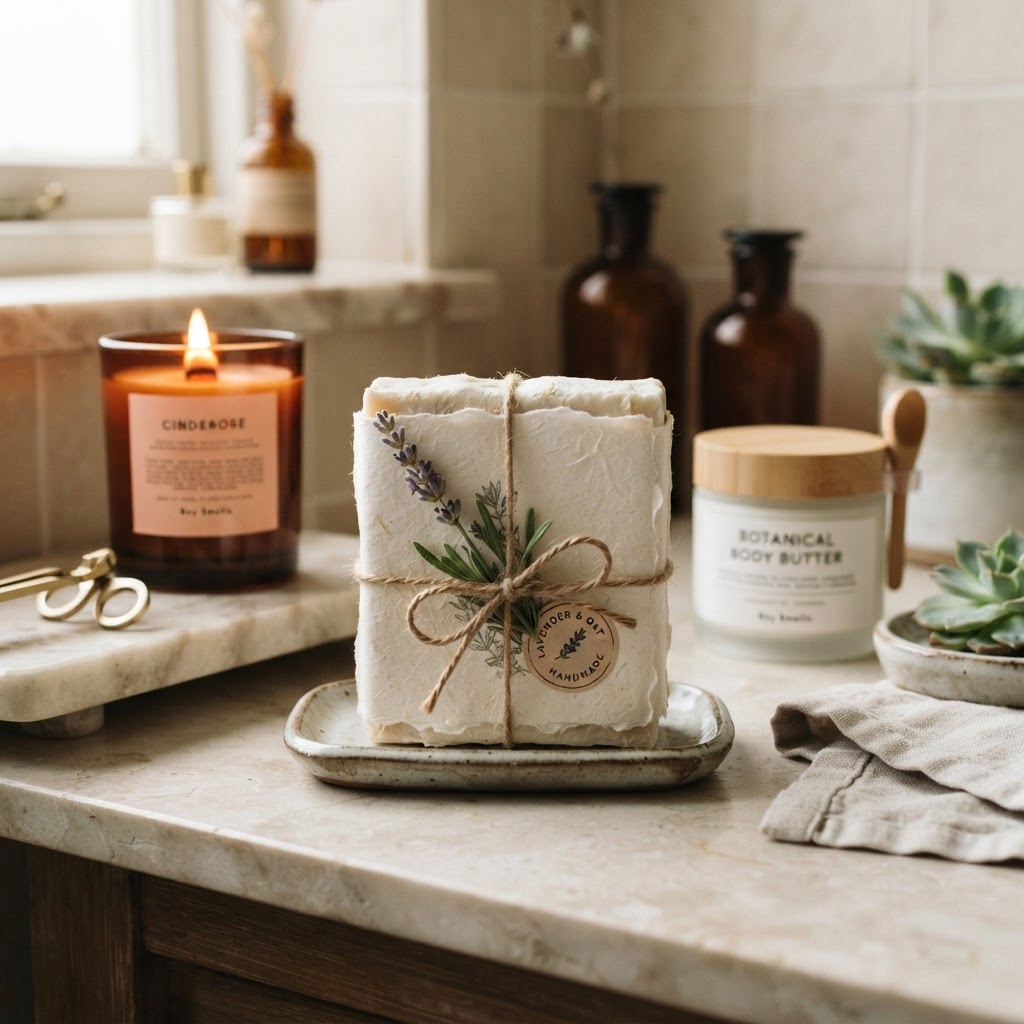
At Eternally Adams Eve, we believe that self-care should feel like an indulgence. When building your brand, think about your visual language. Your logo, color palette, and even the font on your labels should tell a story. A luxury brand often uses muted, earthy tones, high-quality paper packaging, and professional photography.
Step 3: Sourcing High-Quality Ingredients
Your soap is only as good as what goes into it. To command a premium price, you must use premium ingredients.
Base Oils and Butters
- Olive Oil: Provides a gentle, moisturizing lather.
- Coconut Oil: Creates big, fluffy bubbles and a hard bar.
- Shea and Cocoa Butter: Add luxury and skin-conditioning properties. These are the same rich butters we use in our body butters and solid lotion bars to ensure deep hydration.
- Castor Oil: A small amount acts as a lather booster.
Scents and Colorants
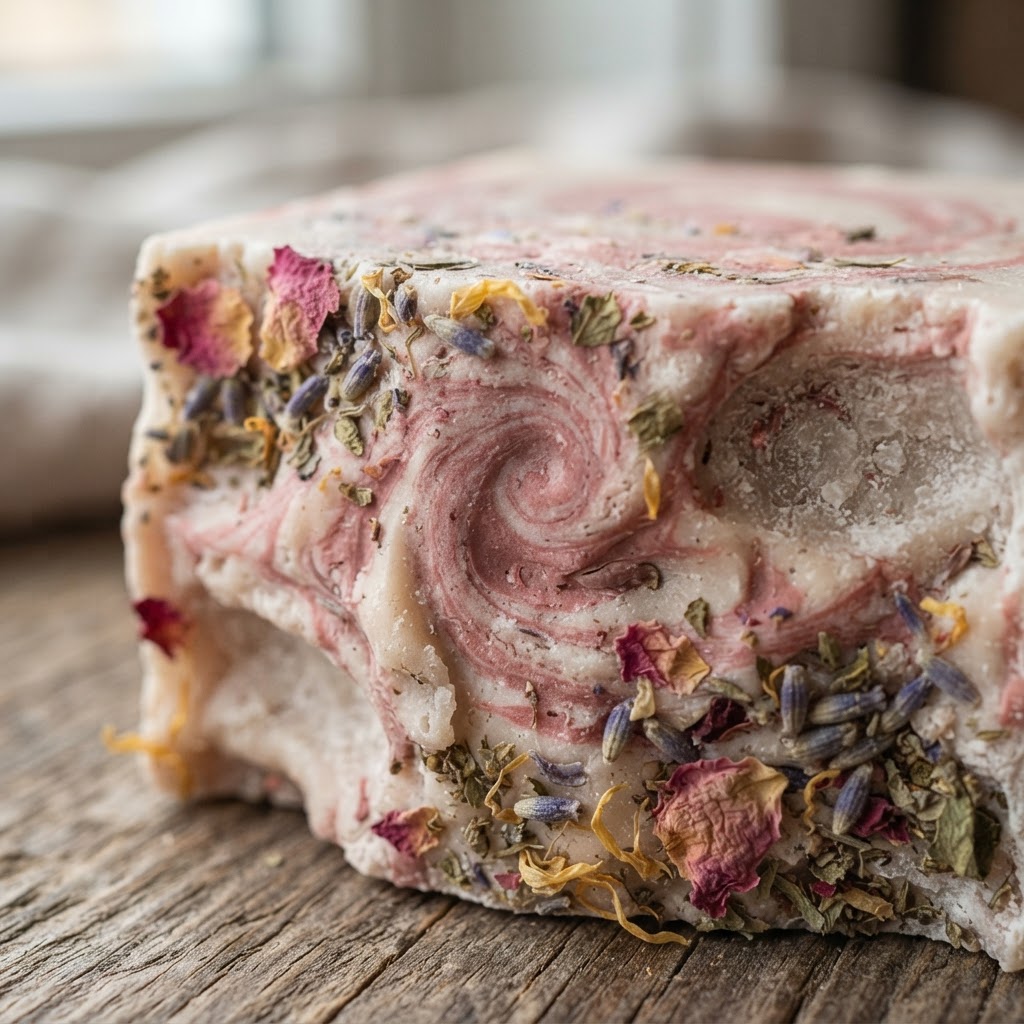
Use high-quality essential oils for a natural appeal, or phthalate-free fragrance oils for more complex, long-lasting scents. For color, look to nature: clays (like French Green or Rose clay), botanicals, and micas provide beautiful hues without harsh chemicals.
Step 4: Navigating Legalities and Regulations
This is the part that scares many new makers, but it is manageable if you take it step-by-step. In the United States, the regulation of your product depends on how you market it.
Soap vs. Cosmetic
If you sell a product and only claim it "cleanses," it is regulated as "true soap" by the Consumer Product Safety Commission (CPSC). However, if you claim it "moisturizes," "treats acne," or "softens skin," it is legally classified as a cosmetic or even a drug, which falls under FDA jurisdiction. Most artisanal makers aim for the cosmetic classification, which requires stricter labeling but allows for more compelling marketing.
Labeling Requirements
Your labels must include:
- The identity of the product (e.g., "Handmade Soap").
- Net weight (in both ounces and grams).
- Name and place of business.
- Ingredient list (listed in descending order of predominance).
Insurance
Do not skip this. Even the most natural soap can cause an allergic reaction in some users. Product liability insurance for soap makers typically costs between $300 and $400 per year and is essential for protecting your personal assets.
Step 5: Pricing for Profit
Many hobbyists fail because they don't price their products correctly. You aren't just charging for the ingredients; you are charging for your time, your expertise, and your overhead.
The Formula
Calculate your Cost of Goods Sold (COGS):
- Ingredients per bar
- Packaging (labels, boxes, shrink wrap)
- Labor (how long does it take to make, cut, and wrap?)
- Overhead (electricity, website fees, marketing)
A common industry standard is to multiply your COGS by 2 for a wholesale price, and by 4 for a retail price. If a bar costs you $2.00 to make, you should sell it for at least $8.00.
Step 6: Setting Up Your Online Shop
In the digital age, your website is your storefront. You want a platform that is easy to navigate and reflects your brand’s aesthetic.
Choosing a Platform
- Shopify: The gold standard for e-commerce. It offers great SEO tools and scales easily.
- Etsy: Excellent for beginners because it has a built-in audience, though the fees can add up.
- WooCommerce: A great option if you are already familiar with WordPress.
The Power of Photography
Since customers cannot smell your soap through the screen, your photos have to do the heavy lifting. Use natural lighting, clean backgrounds, and lifestyle props (like a beautiful wooden soap dish or a sprig of dried lavender) to create a mood. High-quality imagery is what separates a "craft project" from a "luxury brand."
Step 7: Marketing and Growing Your Brand
Once your shop is live, you need to drive traffic.
Content Marketing and SEO
Write blog posts (like this one!) about the benefits of natural ingredients or self-care routines. Use keywords like "handmade soap for sensitive skin" or "natural bath products" to help people find you on Google.
Social Media
Instagram and TikTok are visual playgrounds for soap makers. Share "Behind the Scenes" videos of you pouring a batch or the satisfying "soap cut." This builds trust and allows customers to see the care that goes into every bar.
Expanding Your Line
Once you have mastered soap, consider adding complementary products. A customer who loves your lavender soap will likely be interested in a matching fragrance oil or a warming massage bar for a complete evening ritual. Expanding into body care—like the body butters and solid lotion bars we offer at Eternally Adams Eve—allows you to increase your average order value and provide a holistic wellness experience.
Step 8: Selling In-Person
While online sales are great, there is nothing like the feedback you get at a local farmers market or craft fair. It allows people to smell the products and hear your story directly.
- Display Matters: Use heights and textures in your booth.
- Samples: Small "end pieces" or guest-sized bars are great for getting people to try your formula.
- Collect Emails: Always have a sign-up sheet for your newsletter so you can turn a one-time market visitor into a lifelong online customer.
Conclusion: Your Journey Starts Here
Building a handmade soap business from home is a marathon, not a sprint. There will be batches that don't turn out, shipping delays, and days when the algorithm isn't in your favor. But there will also be the moment you see your first five-star review, the smell of a fresh batch of lemongrass soap, and the pride of knowing you built something with your own two hands.
At Eternally Adams Eve, we know that the path to a successful handmade brand is paved with passion and persistence. Whether you are crafting candles, body butters, or the perfect bar of soap, remember that you are providing more than just a product—you are providing a moment of peace and luxury in someone’s busy day.
So, clear off that counter, put on your safety goggles, and start creating. The world is waiting for your unique touch.
Loved this story?
Get new stories, rituals, and gentle reminders straight to your inbox.
